World music songs worth hearing
World music is a song that comes from a tradition outside the Western pop and rock mainstream, and the term covers the folk, the ritual, and the urban music of every other culture that the small label scene releases and distributes. A world music song is defined by its origin rather than by its sound, which is why the category is so wide, from a 12 string flamenco guitar in Spain to a 7 string kora in West Africa to a 16 string sitar in India. The small label scene is one of the main places a listener finds these records, because the major labels rarely stock the music and the independent label is the channel that carries it from the artist to the shelf. The page below is a listening guide to the world music songs worth hearing and the labels that release them.
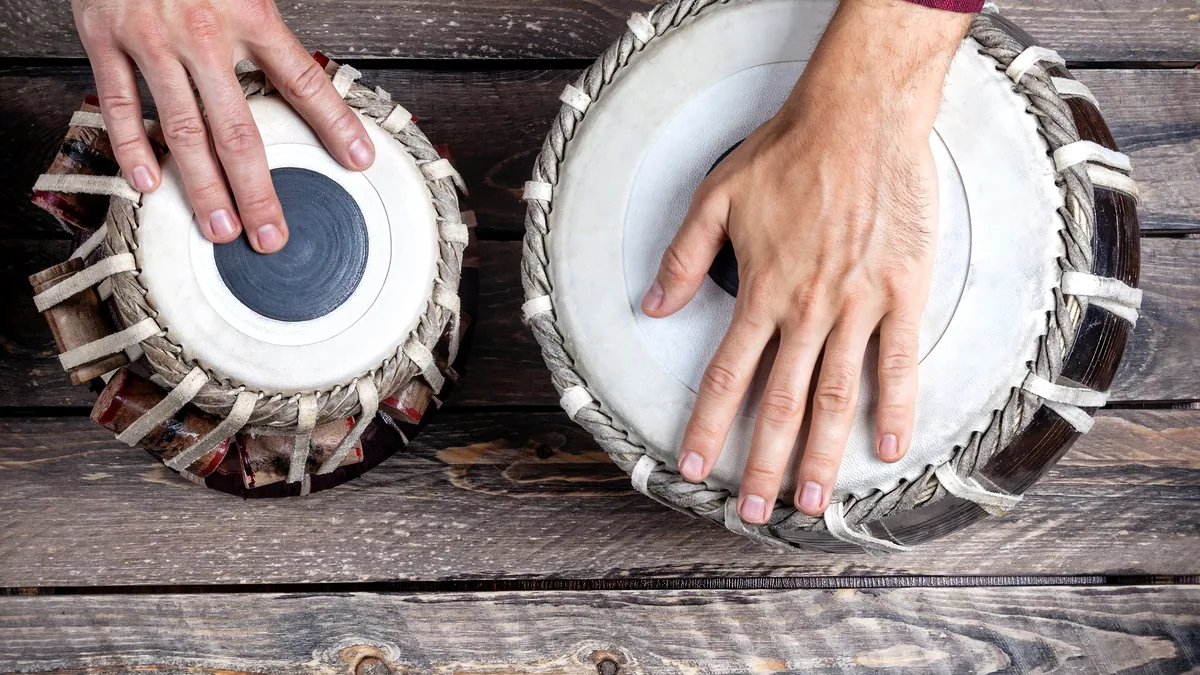
This page defines what counts as a world music song, breaks the category into the families a listener actually meets, and points at the releases the small label scene carries, so a new listener knows where to start.
What counts as a world music song
What counts as a world music song is decided by the origin of the tradition, not by the genre label on the box. The test is whether the music comes from a culture outside the Anglo American pop, rock, and country mainstream, and whether it carries the instruments, the scales, and the forms of that culture. A song in a minor mode with a hand drum from the Andes is world music, and so is a song with an electronic beat from Lagos, because the term tracks the cultural root rather than the production. The small label scene uses the same test when it signs an artist, and it is the reason the world music shelf sits next to the folk and the jam shelves: all 3 are music that the mainstream catalogues leave out and the independent label carries in. The category is wide on purpose, and the listener should expect it to be.
The families a listener meets
The families a listener meets on the world music shelf fall into 4 broad groups, and the small label scene carries examples from each. The first is the acoustic folk of Europe and the Americas, such as the Celtic music of Ireland and the fado of Portugal, which shares its guitar and its voice with the indie folk the scene also releases. The second is the urban and the fusion music, such as the highlife of West Africa and the raï of North Africa, which mixes the traditional scale with the electric band and the 4 to 4 beat. The third is the classical and the devotional music, such as the raga of India and the flamenco of Spain, which is built on a fixed set of forms and a fixed set of scales and is often released on the smaller labels that specialize in it. The fourth is the modern fusion, such as the electronic folk and the world pop of the last 20 years, which takes the traditional instrument and puts it in a contemporary arrangement. Each family has its own artists and its own small labels, and the scene releases all 4 because they share the same audience and the same independent channel.
The songs worth hearing first
The songs worth hearing first are the ones that show each family at its clearest, and they are a small list a new listener can work through. Start with one acoustic folk song, a 4 to 5 minute track that shows the guitar and the voice at the center of the tradition, because it is the family closest to the indie folk the listener may already know. Add one urban fusion song, a track that carries the traditional scale over an electric band, so the listener hears how the tradition moves into the modern beat. Add one classical or devotional song, a piece built on the fixed forms of a single culture, so the listener hears the depth of the tradition before the fusion. Add one modern fusion song, a track that puts the traditional instrument in a contemporary arrangement, so the listener hears where the family is going now. The 4 songs, one from each family, give the listener a map of the whole world music shelf, and every one of them is the kind of record the small label scene releases and distributes rather than the major label.
Why the small label is the channel
Why the small label is the channel for world music is that the major catalogues are built for the mainstream and the world music does not fit their format. A world music album is often 30 to 40 minutes of a single tradition, and it is recorded in a small studio in the artist's own country, and it is pressed in a run of a few thousand, which is a profile the major label does not make. The independent label, by contrast, is built for exactly that profile, and the small label scene is the network that carries these records from the artist's country to the stores and the listeners in another country. The 3 things that make the small label the channel are the press run, the distribution, and the curation: the small label presses the few thousand copies, it uses the independent distributor to reach the stores, and it curates the shelf so the listener can find the music by family and by region. The world music scene on this site works the same way, and it is the reason the records a listener wants are on the small label shelf and not on the major one.
How to build a world music shelf
How to build a world music shelf is easier with a rule, and the rule is to follow the family and the region rather than the single hit. A listener who buys one hit and stops has a shelf of 3 songs, and a listener who follows a family, such as the Celtic or the West African, ends up with a shelf of 20 or 30 records that talk to each other. The small label scene makes this easier, because it releases the family as a set, and the listener who follows one artist from the scene finds the other artists from the same tradition on the same shelves. The format to buy is the one that carries the whole album, the CD or the vinyl with 10 to 12 tracks, rather than the single, because the world music tradition is an album tradition and the 30 to 40 minute record is where the form lives. The shelf is built over time, a few records a year, and it is built through the small label channel, and that is the shape the world music scene on this site is set up to feed.