Indian independent labels
Indian independent labels are the record companies based in India that release music without the backing of one of the 4 major groups, and they are the international corner of the small label scene on this site that carries the world music from the subcontinent. The Indian independent label signs the artist, releases the album, and distributes it through the independent channel, and the scene on this site is the network that carries those records to the listener in another country. There are a growing number of independent labels in India, and they release the folk, the classical, the fusion, and the hip hop that the major does not fully stock. This page names the labels, their genres, and how an artist can reach them.
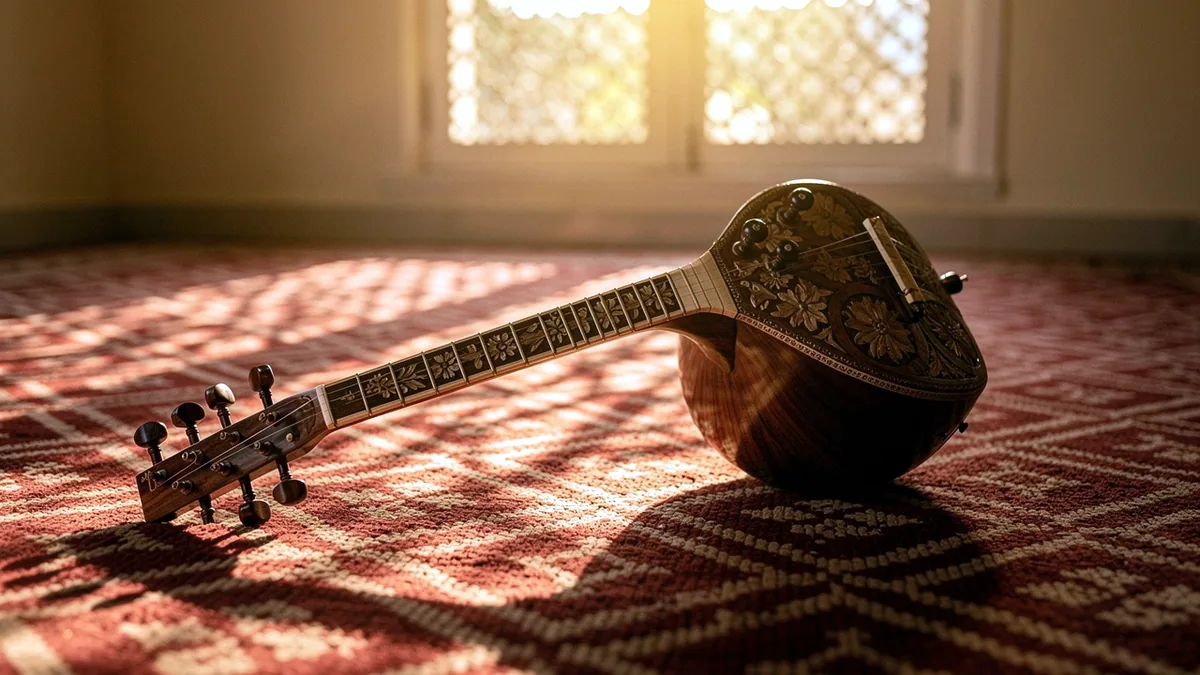
This is the guide to the Indian independent label: it lists the labels and the genres they release, and it explains how the small label scene carries the Indian world music to the listener, and how an artist in India can reach a label.
The independent labels in India
The independent labels in India are the companies that release the music the major does not fully stock, and they concentrate in the cities where the studios and the venues are. The labels to know are the ones that release the folk, the classical, and the fusion of the subcontinent, and they are the small labels that sign the artist in the city and release the album in a small run. The independent label in India is different from the major's Indian operation in the budget and the control, because the independent keeps the catalogue decision in house and presses a smaller run. The scene on this site carries the Indian independent labels through the same international channel that carries the world music, and the labels are the companies behind the records the scene releases. The list is the map, and the map is the corner of the scene that sits in India.
The genres the labels release
The genres the labels release are the families of the Indian music the small label scene carries, and they fall into 4 groups. The first is the folk, the regional music of the subcontinent, which shares its acoustic guitar and its voice with the indie folk the scene also releases. The second is the classical, the raga and the devotional music built on a fixed set of forms, which is often released on the small label that specializes in it. The third is the fusion, the music that mixes the classical scale with the electric band and the modern beat, which is the genre the Indian independent label releases most. The fourth is the hip hop and the pop of the cities, which the independent label releases for the urban audience. Each genre has its own labels and its own artists, and the small label scene carries all 4 because they share the same audience and the same international channel.
How an artist in India reaches a label
How an artist in India reaches a label is the same path the unsigned artist takes in any city, and the small label scene makes it easier across the border. The artist sends a demo to the label that releases the genre the artist plays, and the package is the 3 or 4 best songs, a short note that names the genre and the city, and the contact details. The label that is signing hears the demo and signs the artist if it fits, and then it records and presses the first release and distributes it through the independent channel. The international step is the one that is different, because the label in India sends the record through the international distributor that carries the world music to the stores in another country. The path is the demo, the sign, the release, and the distribution, and the small label scene runs all 4 steps for the Indian artist the same way it runs them for the artist in any other city.
Where the Indian labels sit in the small label scene
Where the Indian labels sit in the small label scene is in the international corner of the same network that carries the world, folk, jam, and singer songwriter music the scene releases and distributes. The Indian independent label is one of the international labels the scene stocks, and it shares the audience and the channel with the rest of the catalogue. A listener who comes in for the Indian world music finds the folk and the fusion on the same shelves, because the small label treats the whole family as one scene rather than as separate catalogues. The 3 things that tie the labels to the scene are the format, the distribution, and the audience, and they are the same 3 that tie the other international labels to the scene. The Indian labels are part of the small label scene, and the scene is the network that releases and distributes the music, which is the role this page describes.