What blues rock music really is
Blues rock is a genre that takes the 12 bar blues structure and the call and response phrasing of the blues and plays it through an amplified electric rock band, and it is the style that the small label scene has kept in circulation since the 1960s, when it first fused the two traditions. The defining move is simple: a blues progression runs on 6 chords, the band plays it at a rock tempo, and the lead guitar is bent and overdriven the way a country blues player bent the string with a slide. Because the form borrows its bones from the blues, the difference between the blues and blues rock is the instrumentation and the volume, not the chords. The small label scene on this site releases the blues rock records that carry the genre forward today, and that is the place where a new listener finds the music now.
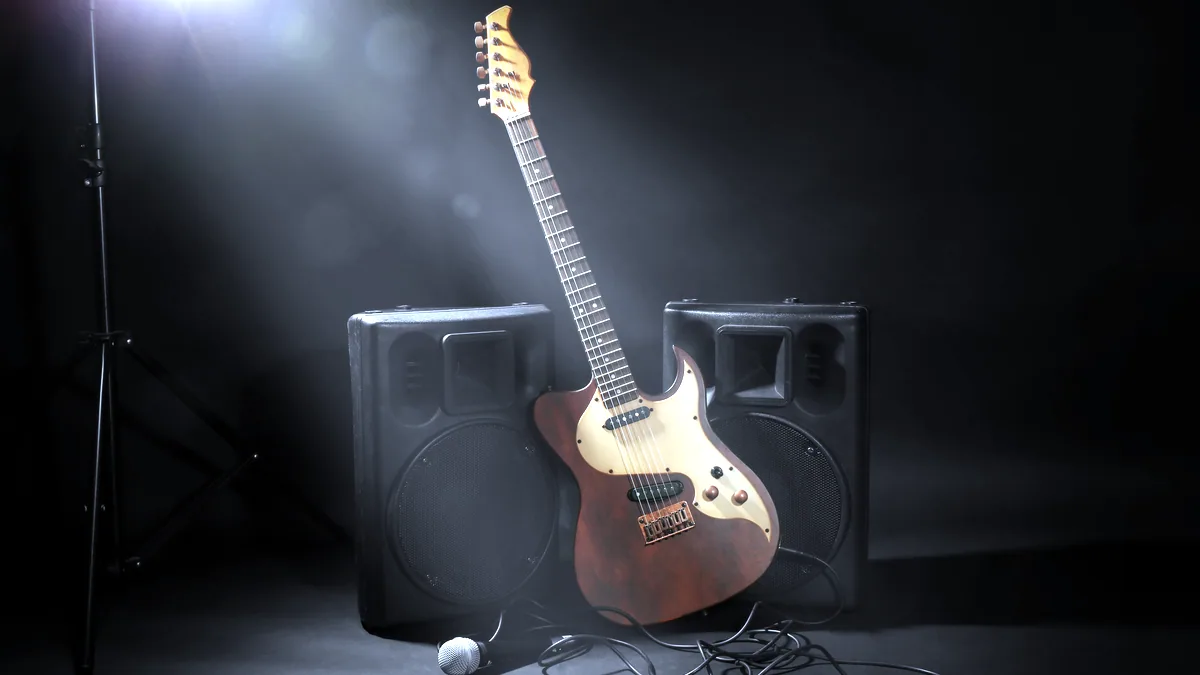
This page defines the genre, traces how it formed from 1950s electric Chicago blues and 1960s British cover bands, names the artists and the groups that shaped it, and explains where blues rock sits inside the independent label scene that distributes it.
How the genre formed
How the genre formed is a story that runs in 2 directions at once. The first line runs from the electric blues bands of Chicago in the 1950s and 1960s, which already played amplified 12 bar blues at a faster tempo, and it is the direct ancestor of the sound. The second line runs from Britain, where young guitarists in the mid 1960s heard those Chicago records on imported vinyl and copied them with more gain and louder amps. The genre name appeared when those two lines met: American blues played at rock volume became a category of its own, and it settled into a form that the small label scene still releases and distributes 60 years later. The fusion is not a new set of ideas; it is the blues played through a rock band, and that is the whole of it.
The blues versus blues rock
The blues versus blues rock comes down to 3 things: the instrument, the volume, and the band size. A traditional blues band is a trio, a player on guitar and harmonica and a bass line, and it plays at a moderate tempo with the acoustic and the electric mixed together. Blues rock is a 5 or 6 piece electric band that plays the same 12 bar changes with a distorted lead guitar in front and a hard driving rhythm section behind. The chords are the same in both, which is why a blues player and a blues rock player can stand at the same bar and play the same song and still sound different. The listener who wants the roots starts with the electric Chicago blues of the 1950s, and the listener who wants the amplified version starts with the 1960s and 1970s rock records, and the two shelves sit side by side in the small label scene because the scene carries both the roots and the revival.
The artists that shaped the sound
The artists that shaped the sound are the ones a new listener should learn by name, and they fall into 3 groups by era. The first group is the 1950s and 1960s electric Chicago blues players, such as Muddy Waters, Howlin Wolf, and Buddy Guy, whose records are the source material that every later band covered. The second group is the British bands of the 1960s, such as Cream, the Rolling Stones, and the Jeff Beck Group, who took the Chicago records and turned the volume up; Jeff Beck in particular became the model for the modern blues rock lead player. The third group is the 1970s and 1980s American players, such as Eric Clapton, who moved between the British blues boom and a solo career that kept the genre in the mainstream, and the younger guitarists who followed. A group that grew directly out of the 1960s San Francisco scene, Jefferson Airplane, is often grouped with the style even though it leaned toward psychedelia, and it shows how wide the family was at its peak. Each of these acts is available through the independent and small label channels, and the scene on this site releases the modern bands that carry the same form forward.
The ballads and the relaxing end of the genre
The ballads and the relaxing end of the genre is the part of blues rock that plays slow, and it is what a listener reaches for when the hard driving version is too much. A blues rock ballad keeps the same minor key and the same bent notes, but it drops the tempo to a slow shuffle and leaves room for the singer, so the record plays at a calm volume and sits well in a room in the evening. The form works because the 12 bar blues is a slow form at its heart, and the rock band only ever sped it up, so pulling it back to a slow tempo returns the music to the tempo the country blues players started at. The modern small label scene presses a steady number of these slower records every year, and they are the entries point for a listener who wants the feel of the genre without the volume, which is a real and common reason people come to blues rock in the first place.
Where blues rock sits in the small label scene
Where blues rock sits in the small label scene is in the same independent network that carries the rest of the music on this site, the world, folk and jam music that the small label releases and distributes. Blues rock is one of the genres the scene has always stocked, and it is the genre that overlaps most with the electric side of the folk and the singer songwriter records. A listener who comes in for the blues rock also finds the acoustic folk and the singer songwriter on the same shelves, because the small label treats the whole family as one scene rather than as separate catalogues. The 3 things that tie the genre to the scene are the format, the size of the press run, and the audience: the blues rock record is pressed in small numbers, it is sold through the same independent stores and the same direct channels as the rest of the catalogue, and it is bought by the same people who buy the folk and the jam records. The scene keeps the genre alive in the same way it keeps the rest of the music alive, which is by releasing it, distributing it, and putting it in front of the listeners who look for it, and that is the role this page describes.