Singer-Songwriter Artists
Singer songwriter is a style of independent music in which one person writes, sings, and plays their own songs, and it is the style that the small label scene has carried since the 1960s folk revival. The defining feature is the single author: the writer of the words is the same person who performs them, and the record is built around that one voice and one set of instruments, usually a guitar or a piano. Whether it is a genre is yes in practice, because it has its own audience, its own labels, its own festivals, and its own shelf in the independent stores, even though the style borrows its instruments from the folk and the pop of its day. The small label scene on this site releases the singer songwriter records that keep the style in circulation, and that is where a listener finds the artists today.
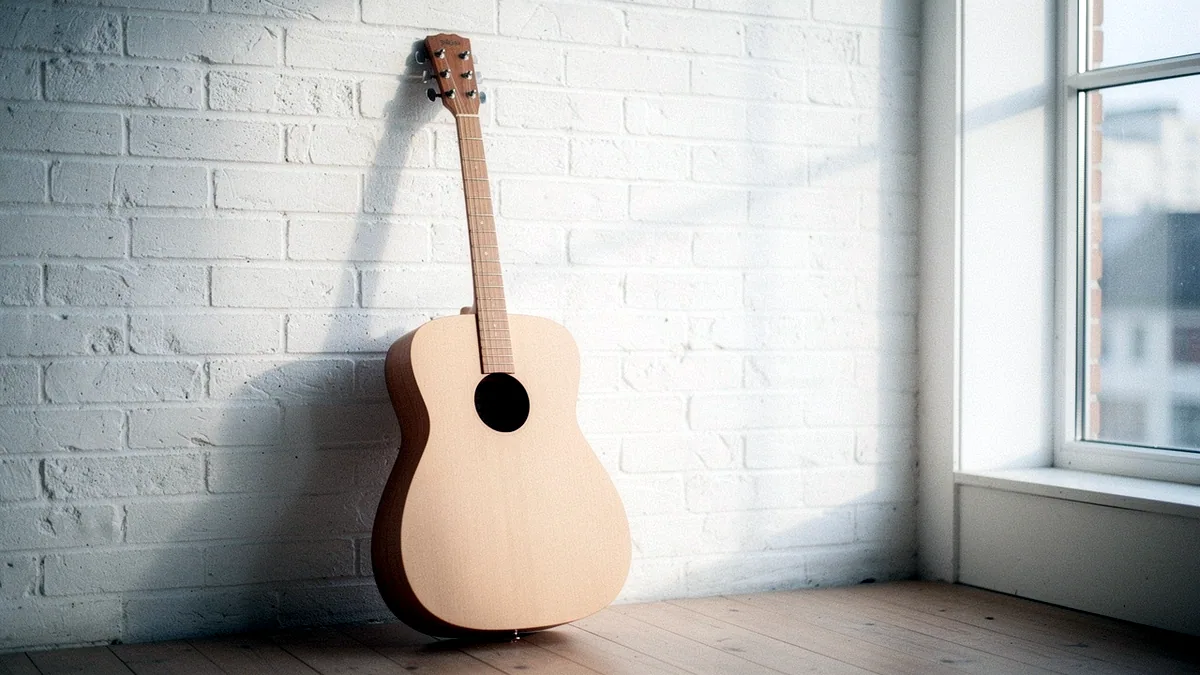
This page defines the singer songwriter as a style, answers whether it is a genre, profiles the artists the small label scene releases, and explains where the style sits inside the independent label world that distributes it.
Is singer songwriter a genre
Is singer songwriter a genre is a question with a clear practical answer, and the answer is yes in the way a style becomes a shelf. The test for a genre is whether the music has its own audience, its own labels, its own venues, and its own vocabulary, and singer songwriter has all 4. It has a dedicated festival circuit, it has labels that only release singer songwriter records, it has a set of songs a listener expects, and it has a name a buyer searches for. What it does not have is a fixed set of instruments, because the style wears whatever the writer plays, a guitar in one decade and a piano in the next. So it is a genre by audience and by market rather than by sound, and that is exactly how the small label scene treats it: as a category on the shelf, next to the indie folk and the blues rock, with its own artists and its own pressings.
What defines the style
What defines the style is the relationship between the writer and the performance, and it holds together 3 ways. The first is authorship: the singer songwriter writes the songs, and the writing is the product, not the production. The second is intimacy: the arrangement is small, often 2 instruments and a voice, so the words come through clear and the listener sits close to the story. The third is continuity: the artist carries the songs from the first live set to the record to the tour, so the same person is the author, the performer, and the face of the record. A typical singer songwriter album is 10 to 12 songs of 3 to 4 minutes each, written by the artist on the cover, and that is the shape the small label scene presses and distributes. The style is defined less by a sound than by who holds the pen, and that is the thing the listener is actually buying.
The artists the small label scene releases
The artists the small label scene releases are the ones a listener should learn by name, and they cluster by decade and by country. The 1960s and 1970s set the form with the American folk revival, and the names that anchor it are Bob Dylan, Joan Baez, and Joni Mitchell, whose records turned the guitar and the voice into a vehicle for the song and the story. The 1970s added the pop side with James Taylor, whose soft vocal and simple arrangements made the style a chart style, and the British singer songwriters such as Cat Stevens, who carried the form across the Atlantic. The 2000s brought a wave of the modern indie singer songwriter, with artists such as Bon Iver, who fused the style with the electronic and the ambient, and with a large circle of the contemporary artists the small label scene signs today. The genre has a strong female line as well, from the early folk singers to the modern writers, and the small label scene releases the new names in that line every year. The artists are the subject of the singer songwriter pages on this site, and the labels that sign new artists are described on the page about labels signing new acts.
The festival circuit
The festival circuit is where the singer songwriter style is most visible, and it is a network of small shows that the small label scene feeds. The singer songwriter festival is a 2 or 3 day event built around the solo or the duo act, with a handful of stages and a set list of new and old writers, and the genre has a few that have run for decades and draw a dedicated audience. The format suits the style because the audience comes for the words and the voice, and a festival built on 20 to 40 solo sets a day puts the writer, not the production, in front of the crowd. The small label scene releases the records the festival artists make, and it distributes them through the same independent channels as the rest of the catalogue, so the listener who finds an artist at the festival can buy the record from the same small label that signed them. The festival is the live end of the singer songwriter scene, and the label is the recorded end, and the two sit on top of each other.
Where the style sits in the small label scene
Where the style sits in the small label scene is in the same independent network that carries the world, folk and jam music the scene releases and distributes. Singer songwriter is one of the core genres the scene stocks, and it overlaps with the indie folk, the blues rock, and the singer songwriter circles that share the same audience and the same stores. A listener who comes in for the singer songwriter also finds the acoustic folk and the singer songwriter albums on the same shelves, because the small label treats the whole family as one scene rather than as separate catalogues. The 3 things that tie the style to the scene are the format, the press run, and the audience: the singer songwriter record is pressed in small numbers, it is sold through the same independent stores and direct channels as the rest of the catalogue, and it is bought by the same people who buy the folk and the jam records. The scene keeps the style alive the same way it keeps the rest alive, which is by releasing it, distributing it, and putting it in front of the listeners who look for it, and that is the role this page describes.