Indie Folk Music
Indie folk is a branch of independent music in which the singer-songwriter tradition of the 1960s folk revival is rebuilt on the small-label, do-it-yourself model, and it has been one of the most reliably recorded corners of the scene for over 40 years. It is folk music that is written, pressed and shipped outside the major labels, usually in runs of 500 to 5,000 copies, and it is the single clearest example of how the small-label scene releases and distributes a genre end to end.
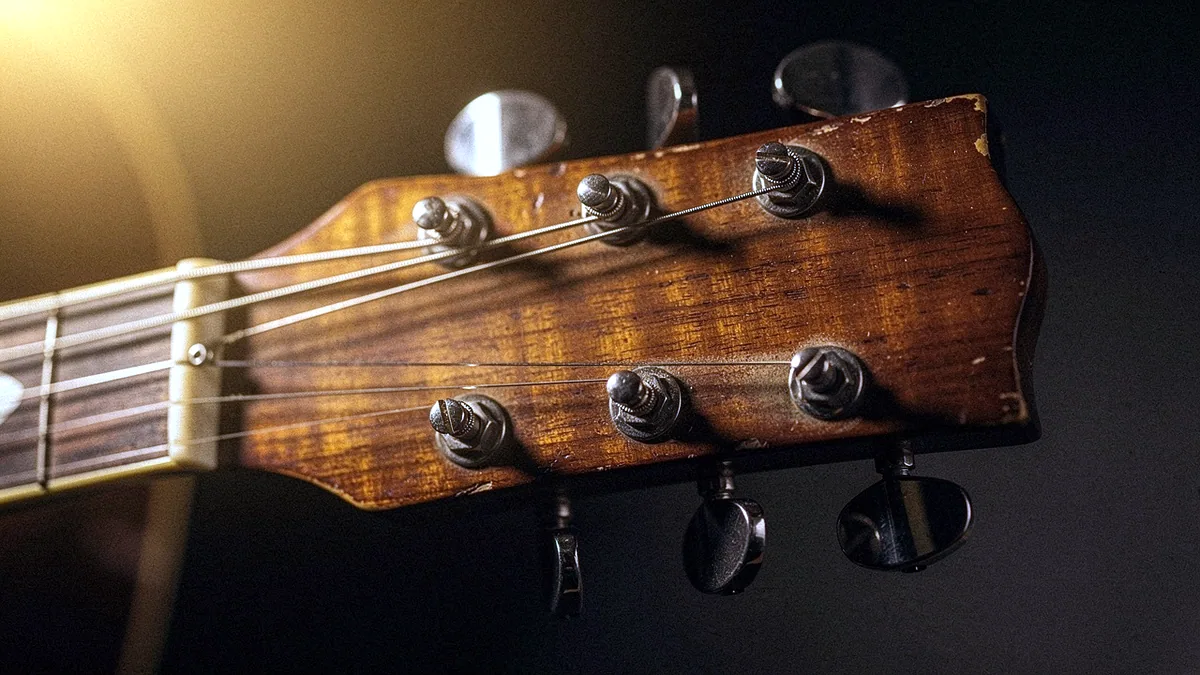
The genre sits between two older currents. On one side is traditional folk, the ballads and work songs passed down through communities. On the other is the independent rock of the 1980s, which took the folk song's single voice and added distortion, drums and a recording budget. Indie folk is what happens when those two meet: a writer with a guitar and a few lyrics, but a production that could not have existed in a coffeehouse in 1962. This page defines the genre, traces how it formed, names the artists who lead it, and sets out a short listening list for someone hearing it for the first time.
What indie folk is
What defines indie folk is its production, not its instruments. The core sound is a lead voice and one or two acoustic or electric guitars, often with bass and a light drum pattern, and the defining trait is that a record is made and released by an independent label rather than a major. A typical indie folk record runs 9 to 11 tracks over 38 to 44 minutes, and the arrangements stay close to the room: close mics, little reverb, and a vocal that sits at the front instead of being buried under 24 tracks of overdubs. That restraint is the genre's signature, and it is why an indie folk record can be pressed to CD at the standard 74 minute length and still sound full.
How indie folk formed
How indie folk formed can be told in 3 chapters. The first is the 1960s folk revival, when artists such as Bob Dylan and Joan Baez carried the guitar-ballad form to a mass audience and proved a single voice could carry a record. The second is the independent rock of the late 1980s and early 1990s, when labels like Sub Pop and SST built a distribution chain that let small bands release records to real audiences. The third, and decisive, chapter began around 2000, when affordable digital recording let a bedroom songwriter sound as clean as a studio, and the indie folk boom of the 2000s and 2010s followed from there. By 2009 the genre was selling enough to support specialist labels, and the small-label scene had a durable home in it.
Who leads the scene
Who leads the scene today is a mix of long-running acts and newer solo writers, and the names below are a working map rather than a chart. Bon Iver's 2007 album For Emma, Forever Changed is the record most often cited as the genre's turning point, and it remains a benchmark for texture. Fleet Foxes followed with Help I Am on the Highway Streetcar in 2008, and the two together defined the dense, vocal-led sound. Other leading artists include Sufjan Stevens, who built a catalogue of more than 10 studio albums; The National, whose 2013 album High Violet set the bar for a band; and a wave of solo singer-songwriters such as Phoebe Bridgers, Julien Baker and Lucy Dacus. On the international side, the genre carries the same small-label model in Britain, Ireland and Scandinavia, which is part of why world music and folk travel together through the same independent channels.
What makes a record sound indie folk
What makes a record sound indie folk comes down to 4 production choices. The first is the vocal: it is placed at the front and left human, with breath and room audible. The second is the harmony: indie folk leans on layered vocals, often 3 or 4 voices singing the same line at slightly different pitches, which is where the genre's signature warmth comes from. The third is the drum feel, which stays behind the song, usually a light kit or a brushed snare rather than a hard backbeat. The fourth is the dynamic, where a track may sit at a whisper for 3 minutes before the whole band enters. A record that makes all 4 of these choices, released on an independent imprint, is indie folk by any practical test. Acoustic indie folk, the unplugged side of the same scene, is the purest expression of these choices, with the electric elements removed entirely.
Indie folk versus folk and its neighbours
Indie folk versus traditional folk is a question of who makes the record, not what the song says. Traditional folk is a body of material that belongs to a community, and a traditional folk song is often older than any single performer. Indie folk is new, written by a named artist, and its relationship to the older material is one of borrowing: an indie folk writer will take a standard and re-arrange it for electric guitars, but the copyright is the writer's, not the community's. The genre also sits near two neighbours that readers often mix up. On one side is Christian indie folk, where the same production and the same small-label model carry a faith-based lyric. On the other is the singer-songwriter tradition more broadly, of which indie folk is the independent-label, guitar-driven branch. Each of these is covered in more depth on its own page, and the overlap between them is real: a single artist can sit in all three at once.
How to listen: a starting list
How to listen is easiest when you have a short list in front of you, so here is one to start from, in the order it will build your ear. Begin with Bon Iver's For Emma, Forever Changed (2007) to hear the texture, then Fleet Foxes' 2008 debut for the harmony, then The National's High Violet (2013) for the band arrangement. Add Phoebe Bridgers' 2017 record Strangers to the Wind for the solo writer's voice, and Sufjan Stevens' 2004 Illinois for a 26-song concept album that shows how far the form can stretch. Close with a set of popular folk songs from the traditional side of the scene, because hearing the older ballads makes the indie arrangements easier to place. The genre has 3 clear doors in, from the texture, the harmony and the voice, and a listener who takes all 3 will hear it clearly within an afternoon.
Where to start
 1. POPULAR FOLK MUSIC SONGSPopular Folk SongsPopular folk songs are the 25 tracks that define the folk tradition as most listeners know it.
 2. INDIE FOLK CHRISTIAN MUSICChristian Indie FolkChristian indie folk is the branch of the indie folk scene in which the acoustic, small-label sound carries a faith-based lyric.
 3. INDIE FOLK ACOUSTIC MUSICAcoustic Indie FolkAcoustic indie folk is the unplugged side of the independent folk scene.
All pages in Folk
 WHAT ARE SOME EXAMPLESExamples of Folk MusicExamples of folk music are the named songs, artists and recordings that a listener can point to and say.
 COUNTRY FOLK ROCK SONGSCountry Folk RockCountry folk rock is the branch of folk rock in which the acoustic guitar-ballad form is married to a country band's backbeat.